
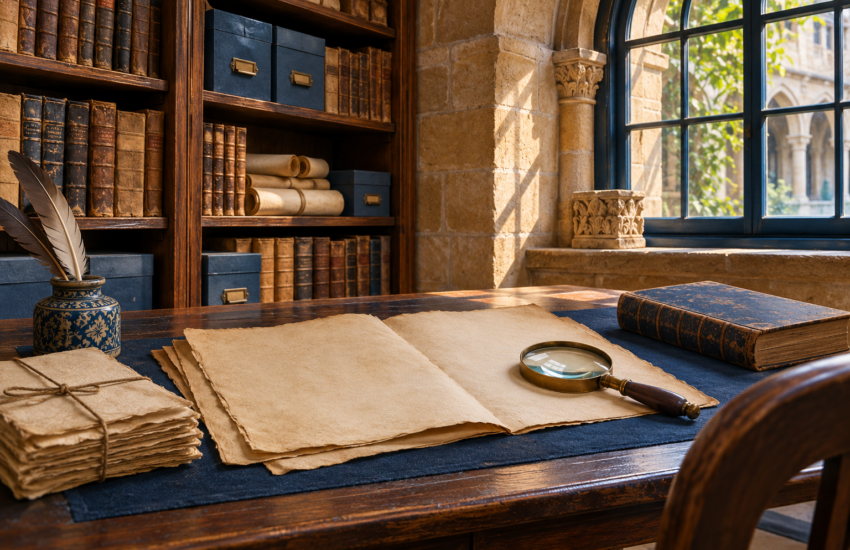
Local history can begin with an ordinary object: a photograph, a programme or a handwritten note. Instead of asking it to explain an entire period, start with one answerable question. Who created it, where was it used, or why was it kept?
Make a description before beginning your interpretation. Record visible wording, materials and any dates, along with the object’s present source. If the date is uncertain, preserve that uncertainty. A neat catalogue entry is less useful when it disguises a guess as a fact.
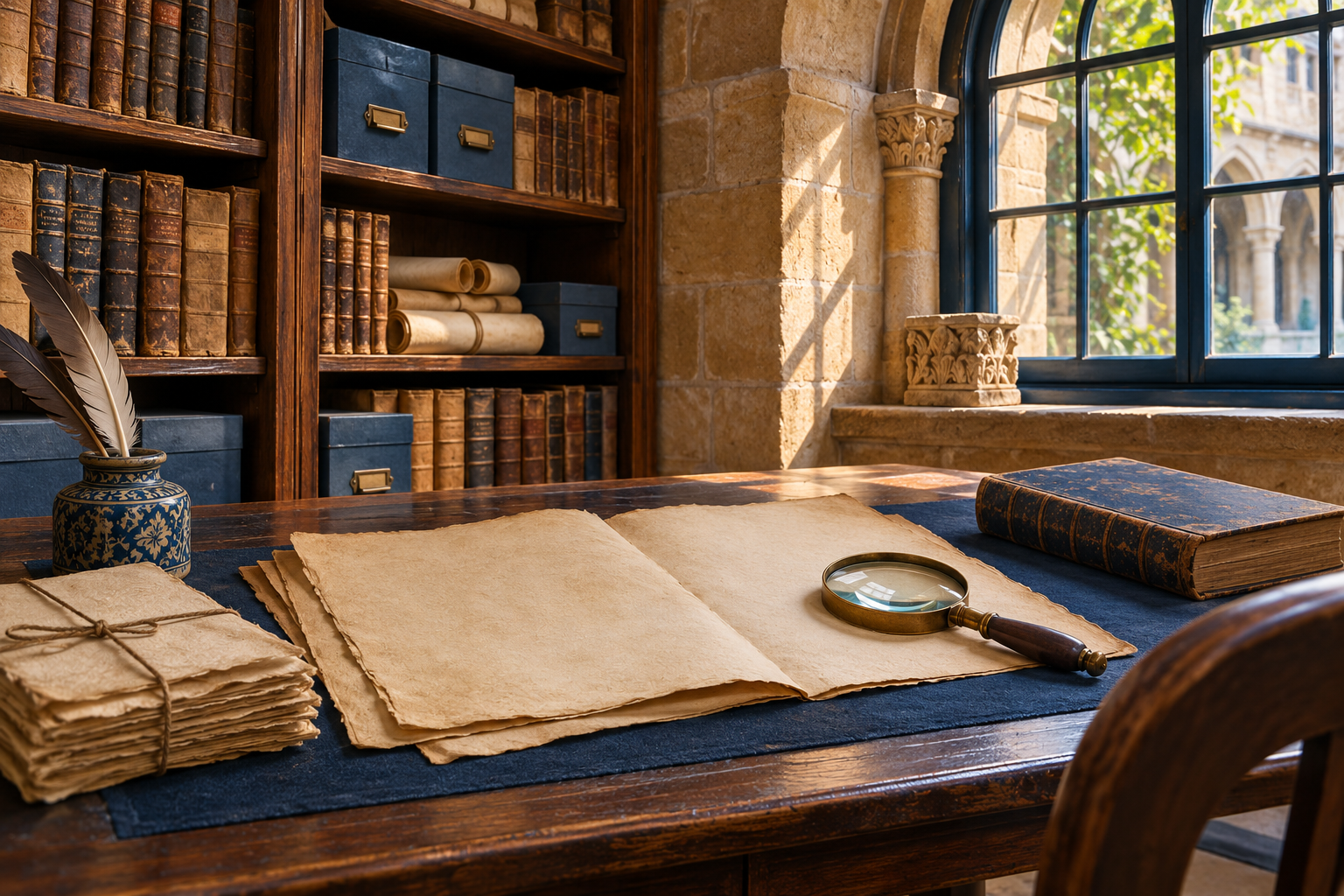
Keep a separate list of possible leads. A library catalogue, a municipal archive or a knowledgeable relative might help, but each supplies a different kind of evidence. Note where a detail came from so another reader could follow the same path.
The first result may be a better question rather than a complete story. That is useful progress. A modest investigation becomes stronger when its limits are clear and its sources remain attached to the claims they actually support.