
A football match is rarely defined by a single goal. The decisive moment may last only a few seconds, but
Continue reading
Looking closely at heritage, places and the objects of everyday life.
A football match is rarely defined by a single goal. The decisive moment may last only a few seconds, but
Continue reading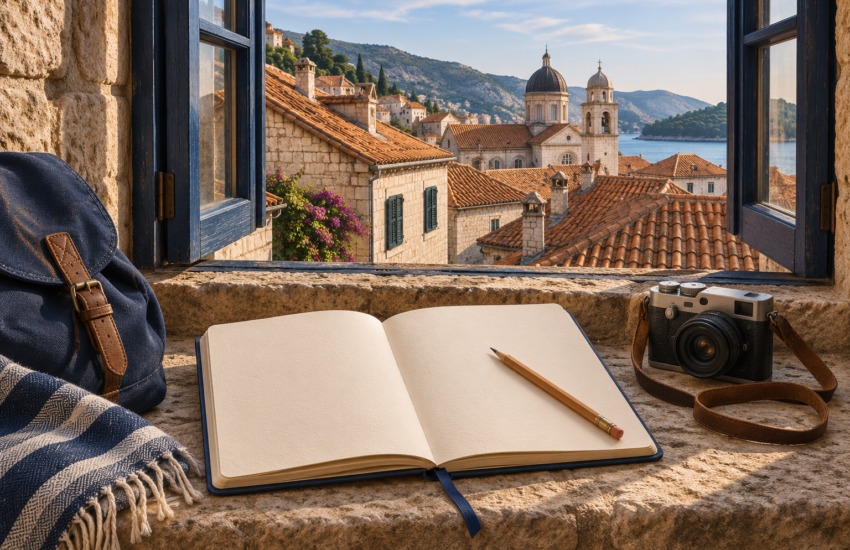
Three images can provide a concise account of a visit: a wider setting, a closer view and a detail. This structure encourages selection and gives each photograph a role. It can be useful for a personal journal or a short cultural article.
Continue reading
A gathering can feel familiar before anyone explains why. A tablecloth, a particular cup or the arrangement of chairs may help create that recognition. These ordinary details offer a gentle starting point for writing about shared customs.
Continue reading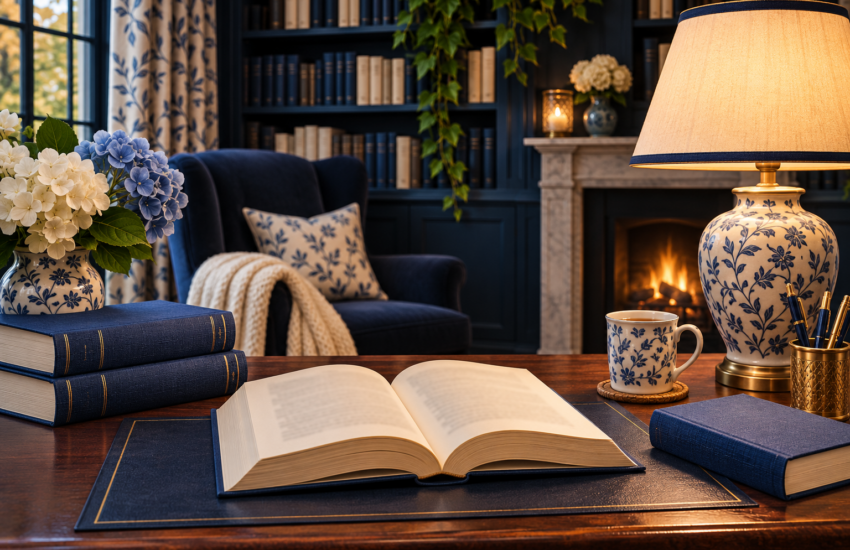
A reading shelf can be organised around curiosity rather than a complete subject. A few books and essays about one question create a manageable invitation to explore. The question might concern how places are remembered or how everyday objects acquire meaning.
Continue reading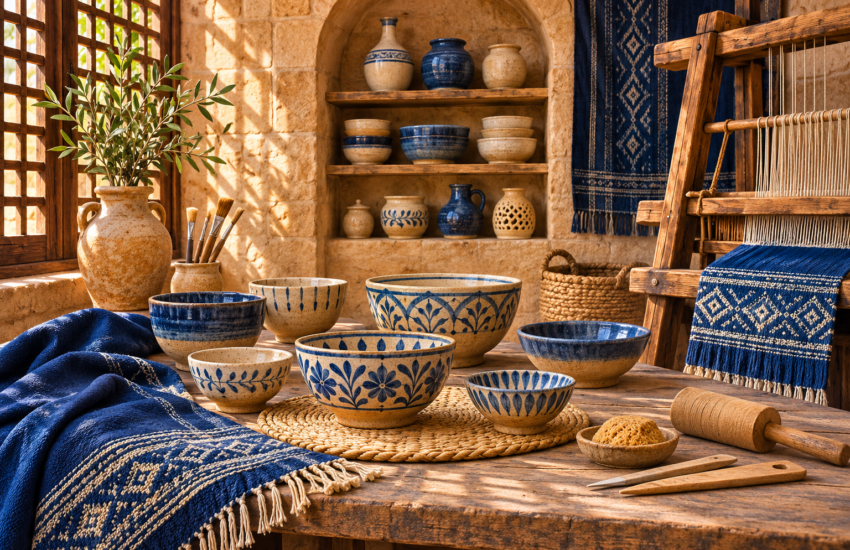
A pattern notebook can connect observations from textiles, ceramics and architecture. It works best as a record of where a detail was encountered and what caught your eye. A simple drawing often preserves the rhythm of a pattern more clearly than a hurried photograph.
Continue reading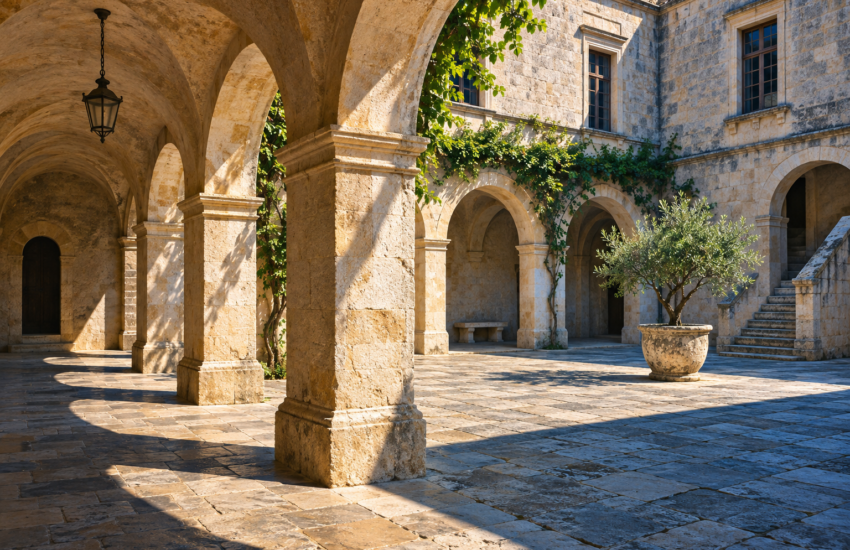
A familiar street becomes newly interesting when you follow one repeated feature. Doorways provide a manageable subject because they connect the building with everyday movement. Their frames, thresholds and surrounding surfaces offer plenty to observe without requiring access to private interiors.
Continue reading
A family memory and a written document can illuminate the same event in different ways. One may preserve an atmosphere or personal consequence, while the other records a date or official description. Neither becomes more useful when the differences between them are hidden.
Continue reading
A field journal gives a short walk a lasting shape. Rather than collecting every possible fact, it preserves a route, a handful of observations and the questions those observations raise. A single page is enough for a useful beginning.
Continue reading
A family tradition can change while remaining recognisable to the people who practise it. The objects, timing and meanings may differ between generations. Recording those variations gives a richer account than searching for one version that everyone must accept as the only authentic one.
Continue reading
A short essay can invite an unhurried kind of reading. With fewer pages to cross, it becomes easier to notice how an idea is introduced, qualified and revised. A pencil and a separate notebook provide enough tools for a thoughtful response.
Continue reading
A handmade bowl can reward the same attention usually given to a much larger object. Its outline, surface and small irregularities provide a starting point for a design note. The aim is to describe a particular piece, rather than decide what all handmade work should look like.
Continue reading
A courtyard offers a compact way to observe architecture. Its edges, openings and changing light can be studied without trying to understand an entire city at once. Begin from a public or permitted viewpoint and take a few moments to notice the space before photographing it.
Continue reading