
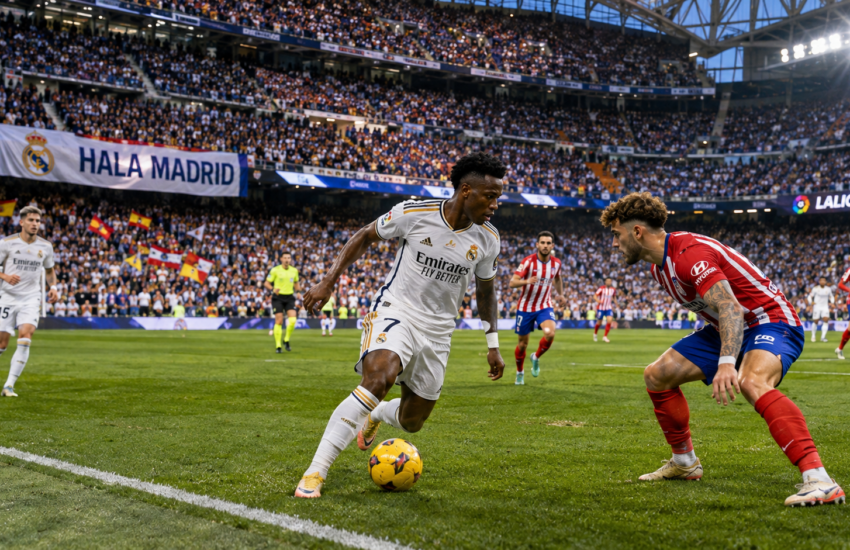
A football match is rarely defined by a single goal. The decisive moment may last only a few seconds, but the story behind it can take an entire evening to unfold. A carefully organised defence, a change in formation, a midfielder finding space between the lines or a forward making an unexpected run can shape the outcome long before the ball reaches the back of the net. Choosing to watch La Liga full matches makes it possible to experience that complete story rather than seeing only the incidents selected for a highlights package.
Spanish football has a distinctive character built around technical quality, tactical intelligence and strong club identities. Its appeal comes from the contrast between different playing philosophies as much as from the individual brilliance of its leading players. Some encounters are open and attacking, with chances appearing at both ends. Others become tense strategic contests in which a single mistake can decide everything.
A full match offers the time to appreciate these differences. It reveals how the teams approach the occasion, how their plans develop and why particular moments become significant. For supporters who want more than a quick summary, the complete ninety minutes can be a much richer experience.
The Story That Unfolds Before the First Goal
Goals naturally attract the most attention, but the foundations of a successful attacking move are often established much earlier. A team may spend several minutes moving the opposition from one side of the pitch to the other, waiting for a small gap to appear. A forward might repeatedly position themselves between two defenders before finally receiving a pass in a dangerous area.
These developments can be difficult to appreciate through short clips. A highlight may show the final pass and finish, but the earlier movement that created the opportunity is just as important. Watching the entire match makes it easier to recognise patterns and understand how a team gradually establishes control.
The opening stages are particularly revealing. Coaches often use the first part of a match to assess the opposition’s defensive shape and identify areas that can be exploited. The first few attacks may test the space behind the full-backs, while midfielders look for ways to receive the ball without being immediately pressed.
As the game progresses, these observations influence the decisions made on the pitch. A team may begin using longer passes, move its attacking players closer together or ask a midfielder to occupy a different position. The changes can be subtle, but they often determine the direction of the contest.
Why La Liga Offers So Many Different Match Experiences
One of the strengths of Spanish football is the diversity of its clubs. Although international attention often focuses on Real Madrid and Barcelona, the wider competition includes teams with different histories, ambitions and approaches to the game.
Some sides favour possession and patient combinations. Others are more direct, using speed and physical intensity to create attacking opportunities. Certain teams build their defensive structure around an aggressive press, while others prefer to protect central spaces and force opponents towards the wings.
This variety makes the competition unpredictable. A technically gifted team may find it difficult to break down an opponent that defends with discipline and concentration. A club with fewer attacking opportunities may still create serious problems through quick counterattacks and well-rehearsed set pieces.
Matches between teams with contrasting styles can be especially interesting when watched in full. The viewer can see how one approach responds to another, which players become important in controlling the tempo and how tactical adjustments influence the balance of play.
It also makes the league rewarding beyond the most prominent fixtures. A meeting between clubs outside the title race can contain an absorbing tactical battle, a breakthrough performance or a dramatic finish. Every match has its own context, and the complete broadcast preserves the details that make it distinctive.
The Rivalries That Give Spanish Football Its Identity
La Liga’s major rivalries are among the most recognisable stories in international club football. Their significance comes from more than the quality of the players involved. They are shaped by history, supporter traditions, local identity and memories passed from one generation to another.
The rivalry between Real Madrid and Barcelona is the most widely recognised example. Each meeting brings together clubs with enormous expectations and a long record of defining performances. The tactical approaches may change from season to season, but the emotional intensity remains a central part of the occasion.
However, Spanish football has many other important rivalries. The Seville derby brings together two clubs from the same city, creating an atmosphere shaped by local pride. Athletic Club and Real Sociedad represent another significant regional contest, with a sporting history closely connected to the identity of Basque football.
Watching these fixtures from beginning to end helps explain why they mean so much to supporters. The tension is not limited to goals or controversial decisions. It appears in individual challenges, reactions to refereeing decisions, the intensity of pressing and the way players respond to the atmosphere.
A short compilation can preserve the most dramatic incidents, but it cannot fully reproduce the gradual build-up of a derby. The pauses, changes in momentum and emotional reactions are all part of the experience.
Individual Performances Deserve More Than a Highlight Reel
Football highlights often present players through their most spectacular actions. A forward is remembered for scoring, a goalkeeper for making a difficult save and a midfielder for delivering an exceptional pass. These moments matter, but they do not always show the full contribution of an individual.
A defender, for example, may have an outstanding match without producing a single action that appears in a highlights package. Their positioning can prevent dangerous attacks from developing, while their communication helps maintain the organisation of the defensive line. A midfielder may influence the game through constant movement, providing passing options and helping teammates escape pressure.
Full-match viewing makes these contributions easier to recognise. It allows supporters to follow a player throughout the contest and understand how their performance changes as the game develops.
It can also reveal the difference between an impressive moment and consistent quality. A player might produce one brilliant attacking action but struggle to maintain concentration defensively. Another may appear less spectacular yet make reliable decisions throughout the match.
This wider perspective is useful for anyone interested in player development. Young footballers often demonstrate their potential through small details: how they react after losing the ball, whether they remain confident under pressure and how quickly they recognise changes in the opponent’s formation.
The Importance of Substitutions and Tactical Changes
A football match is not a fixed tactical arrangement. Managers continually assess what is happening and make decisions intended to change the balance of the game. Substitutions, formation adjustments and changes in pressing intensity can transform an encounter, particularly during the second half.
A fresh attacking player may provide the speed needed to challenge a tired defence. A more defensive substitution can help protect a narrow lead, while introducing another midfielder may give a team greater control of possession.
The timing of these decisions is often as important as the identity of the players involved. A substitution made shortly after an opponent changes formation may be designed to counter a new threat. A late attacking change can signal that a manager is willing to take additional risks in pursuit of an equaliser.
Watching a full match provides the context needed to understand these choices. It becomes possible to compare the team’s performance before and after a substitution, observe which areas of the pitch change and consider whether the adjustment produces the intended effect.
This is another reason that complete matches appeal to viewers interested in the strategic side of football. The final score may record the result, but the full contest shows how the teams attempted to achieve it.
Full Matches, Extended Highlights and Short Summaries
Modern football coverage offers several ways to follow a competition. Short highlights are convenient when time is limited, while extended packages provide additional context and more incidents from the game. Full-match recordings offer the most complete version of the event.
The distinction matters because these formats serve different purposes. A short summary is designed to communicate the main developments quickly. It usually concentrates on goals, major saves, penalties and other significant moments. Extended highlights include more passages of play, but they still omit parts of the original broadcast.
A full match preserves the sequence of events from the opening whistle to the final moments. Viewers can see how the teams approach the game, how the tempo changes and how individual decisions influence what happens next.
There is also a difference between watching a match for entertainment and studying it more closely. Some supporters simply want to relive a memorable evening or see a fixture they missed. Others may pause to examine a defensive mistake, compare formations or follow the movement of a particular player.
Both approaches benefit from having the complete match available. The viewer can decide what deserves attention rather than relying entirely on the moments selected by a highlights editor.
Revisiting Historic Matches and Memorable Seasons
Football memories are closely connected to particular matches. A dramatic comeback, a decisive derby victory or a late goal in a title race can remain part of a club’s identity for years. Supporters often remember where they watched such encounters, who they watched them with and how the result affected their expectations for the rest of the season.
Revisiting an older match can bring those memories back while also revealing details that were overlooked at the time. A player who later became a club legend may appear at an earlier stage of their career. A tactical approach that seemed unusual during one season may become more familiar in retrospect. A seemingly ordinary fixture may gain significance because of what happened in the weeks that followed.
Historic matches also provide an opportunity to compare different periods of Spanish football. The pace of the game, the physical demands placed on players and the way teams organise their attacks have changed over time. Looking back allows supporters to appreciate the evolution of the competition without losing sight of the qualities that have always made it distinctive.
For newer fans, older matches can be an introduction to the players and rivalries that shaped the modern league. For long-time supporters, they offer a chance to revisit familiar stories from a different perspective.
Making Football Viewing More Flexible
The modern football audience does not always follow a fixed viewing routine. Work, travel and other commitments can make it difficult to watch every fixture live. Match recordings and replays offer a way to remain connected with the competition without having to organise an entire evening around a kickoff time.
This flexibility is particularly useful during busy periods of the season, when several important fixtures may take place within a short period. Supporters can return to a match later, follow a club’s progress and examine performances they could not watch in real time.
The experience also suits different viewing habits. Some people prefer to watch a complete match in one sitting, while others return to selected periods to examine particular developments. The important point is that the viewer can engage with the game at a convenient time and at a preferred pace.
For international audiences, this flexibility can make following Spanish football easier when match schedules do not fit comfortably into everyday routines. It also helps supporters maintain an interest in clubs and players throughout a long campaign.
Every Match Has a Story Worth Revisiting
La Liga is more than a collection of famous clubs and headline results. It is a competition shaped by different football philosophies, regional traditions, individual ambitions and moments of unexpected drama. Its appeal comes from the way these elements combine over the course of a season.
A complete match preserves the details that make each encounter unique. It shows the build-up to a decisive goal, the defensive work that prevents an equaliser and the tactical decisions that change the direction of play. It also captures the quieter moments that give the more dramatic incidents their meaning.
Highlights may provide a quick reminder of what happened, but the full contest offers something more substantial: the opportunity to understand how the result came about. For anyone who enjoys the character, history and technical quality of Spanish football, returning to the complete match can be just as rewarding as watching it live.